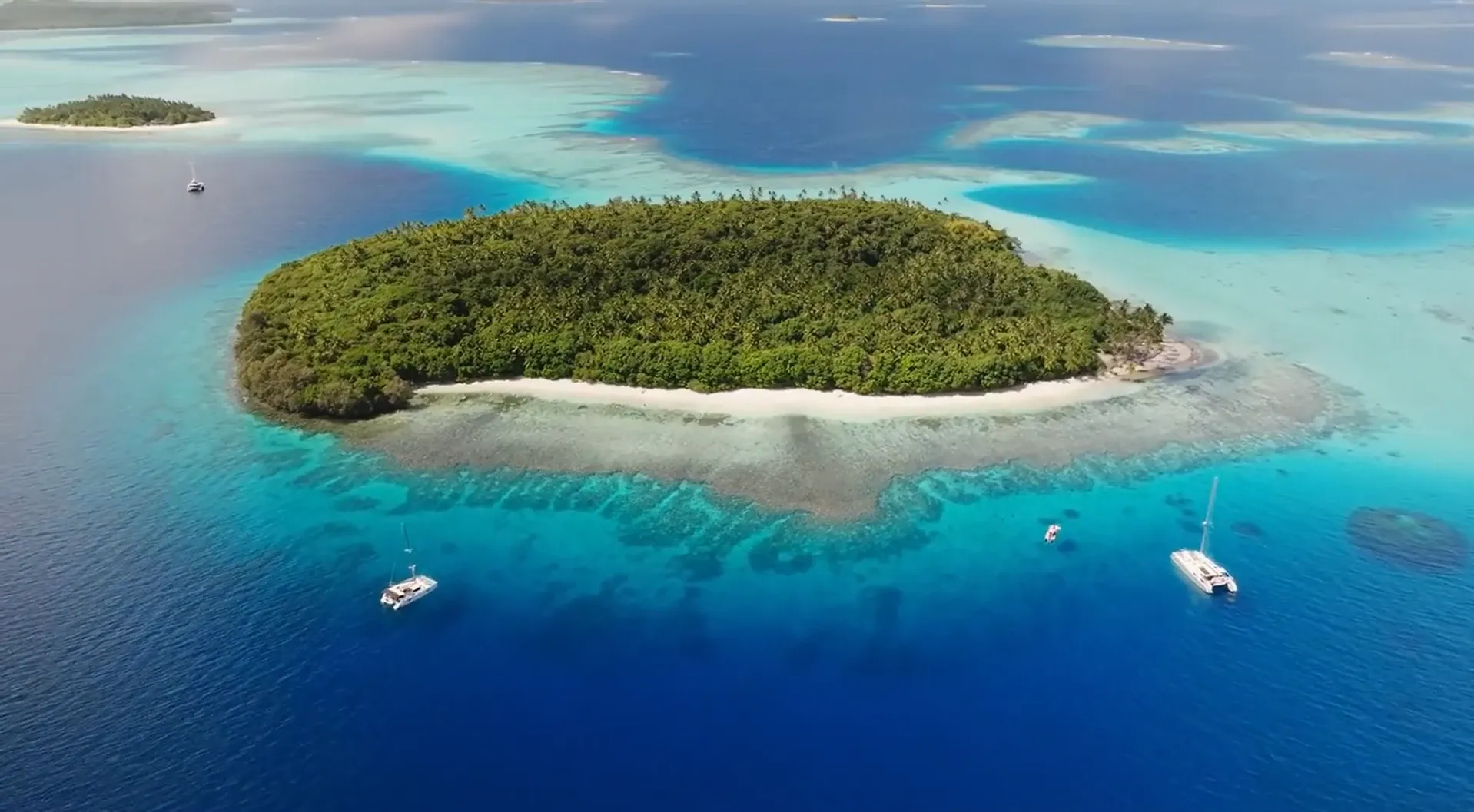
Here in Maldives
Your Complete Maldives Travel Guide
Everything you need to know — from arrival to activities, budgets to etiquette.
Airport & Arrival
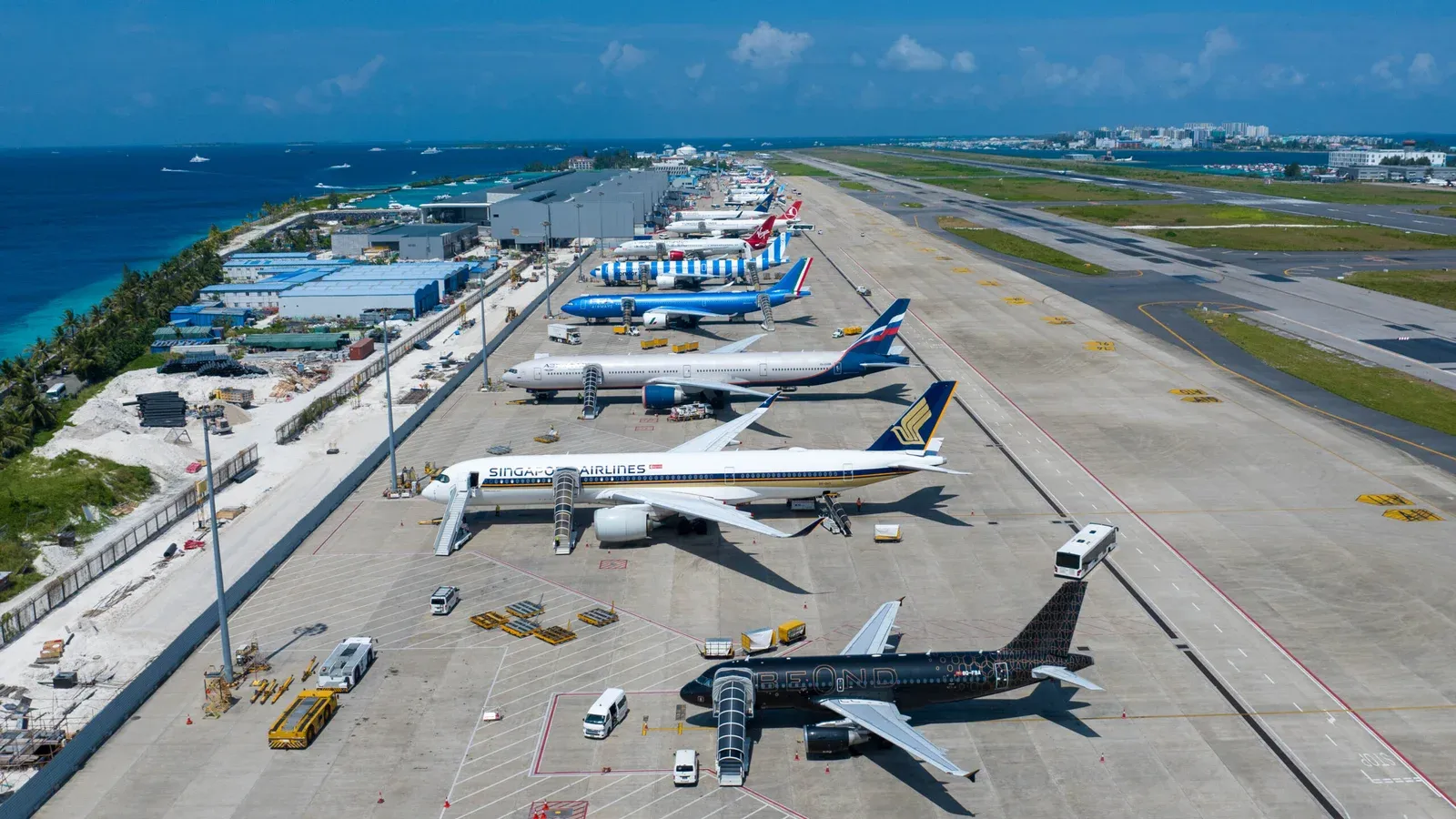
Almost all international visitors land at Velana International Airport (MLE) on the island of Hulhulé, minutes from the capital Malé. It is one of the best-connected airports in the Indian Ocean region, with direct routes from Europe, the Middle East, Asia, and Australia.
On arrival, immigration is straightforward — most nationalities receive a stamp-on-arrival visa at the desk. After clearing customs, your resort representative or transfer agent will be waiting in the arrivals hall. Always share your flight details with your resort at least 48 hours in advance so transfers are booked and ready.
Resort Transfers Explained
Your resort arranges transfers once you share your flight details. The type depends on your resort's atoll, distance, and time of arrival.
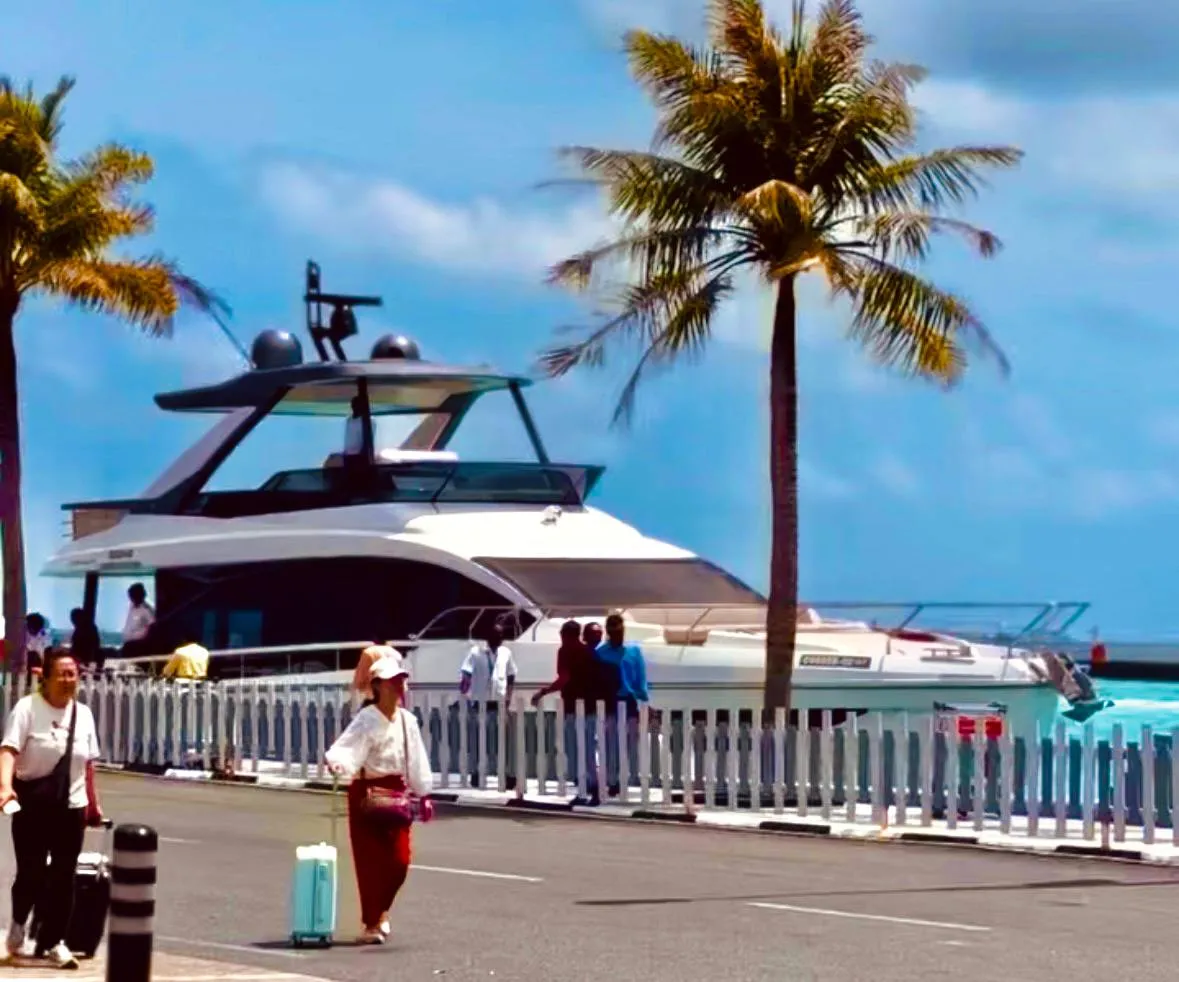
Speedboat
15–90 minutes. Serves resorts near Malé and in Kaafu, South Malé, and some outer atolls. Available day and night. Most economical transfer option. Luggage limit ~20–25 kg.
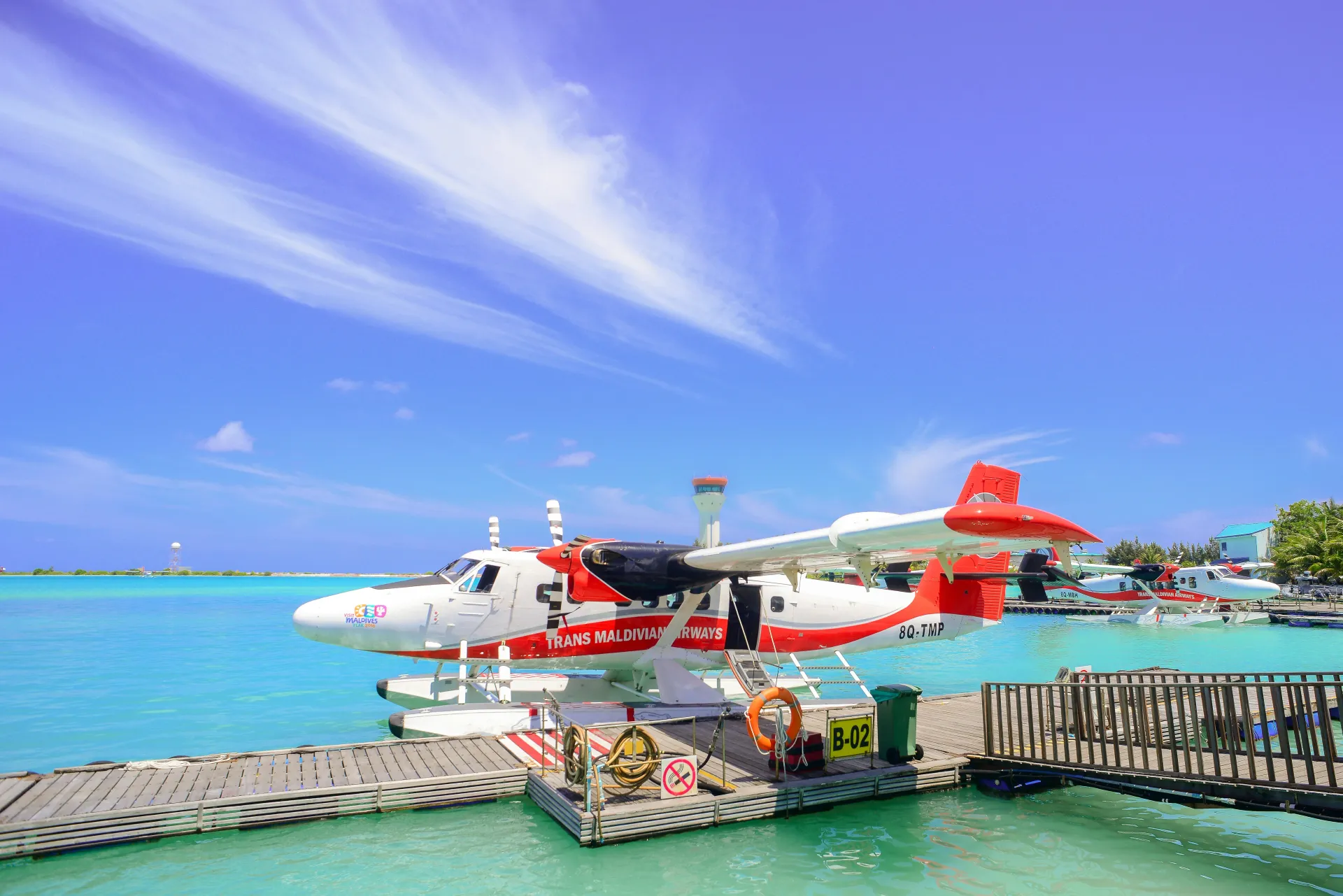
Seaplane
20–45 minutes. The iconic Maldives arrival experience — breathtaking aerial views of atolls. Operates daylight hours only (6am–6pm). Shared or private charters available. Per-person supplement applies.
Domestic Flight + Boat
For the most remote atolls (Addu, Laamu, Noonu). Fly to a domestic airport then a short speedboat. Allows late-night arrivals. Often included for northern and southern atolls.
Visa & Entry
The Maldives offers visa on arrival to citizens of all countries — free of charge for up to 30 days. No advance application is needed. Extensions to 90 days are available through the immigration department.
What you need
Valid passport (minimum 6 months validity beyond your stay), confirmed accommodation booking, return or onward flight ticket, proof of sufficient funds (~$100/day).
Health requirements
No mandatory vaccinations are required to enter the Maldives. Travel health insurance is strongly recommended, especially for remote atoll resorts.
Customs declaration
All arrivals complete a customs declaration form. E-customs is available online before departure to speed up the process.
Restricted items
Alcohol, pork products, narcotics, gambling equipment, and materials for religious propagation are restricted or prohibited. See the What Not to Bring section below.
Life at a Maldivian Resort
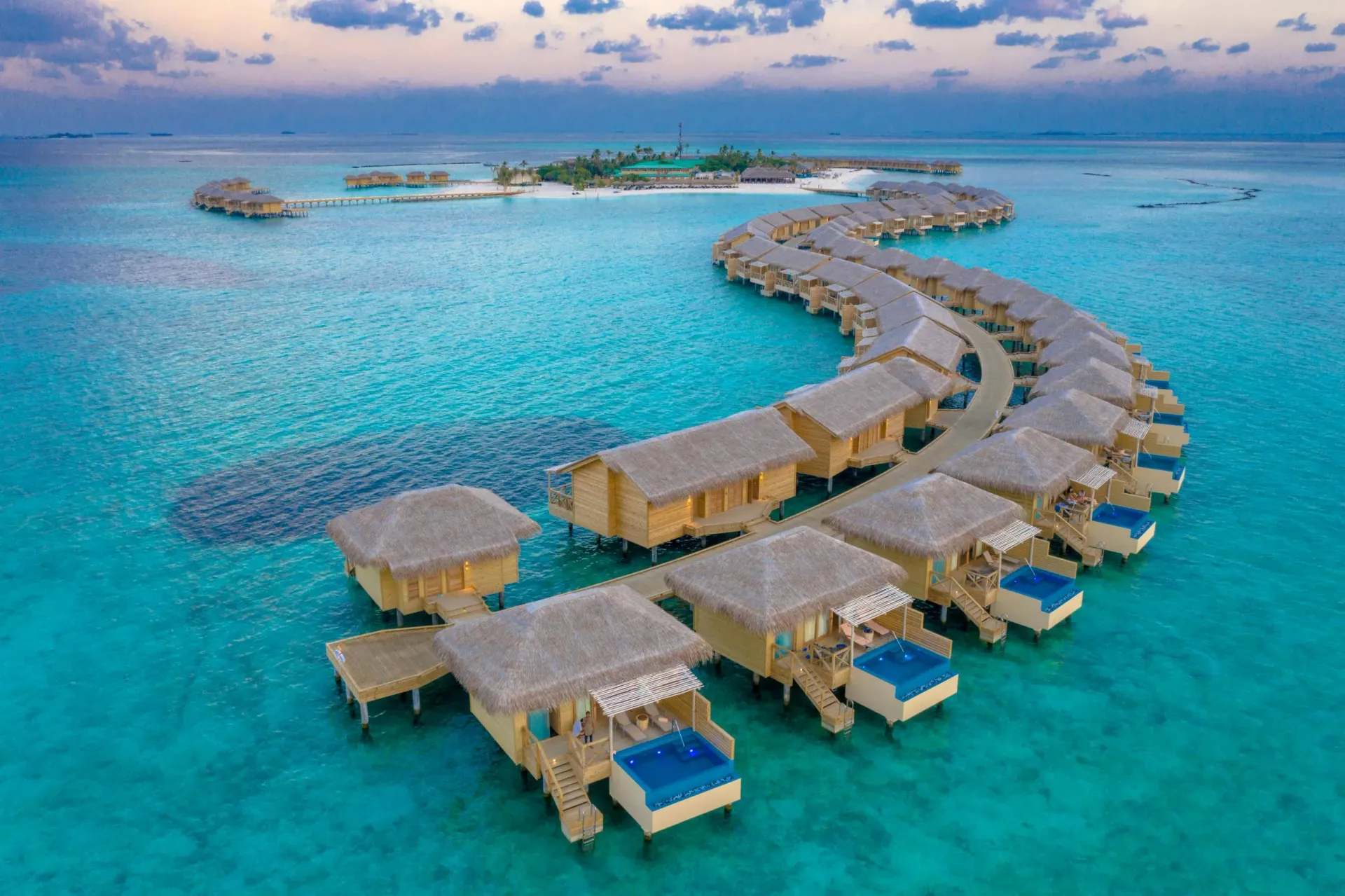
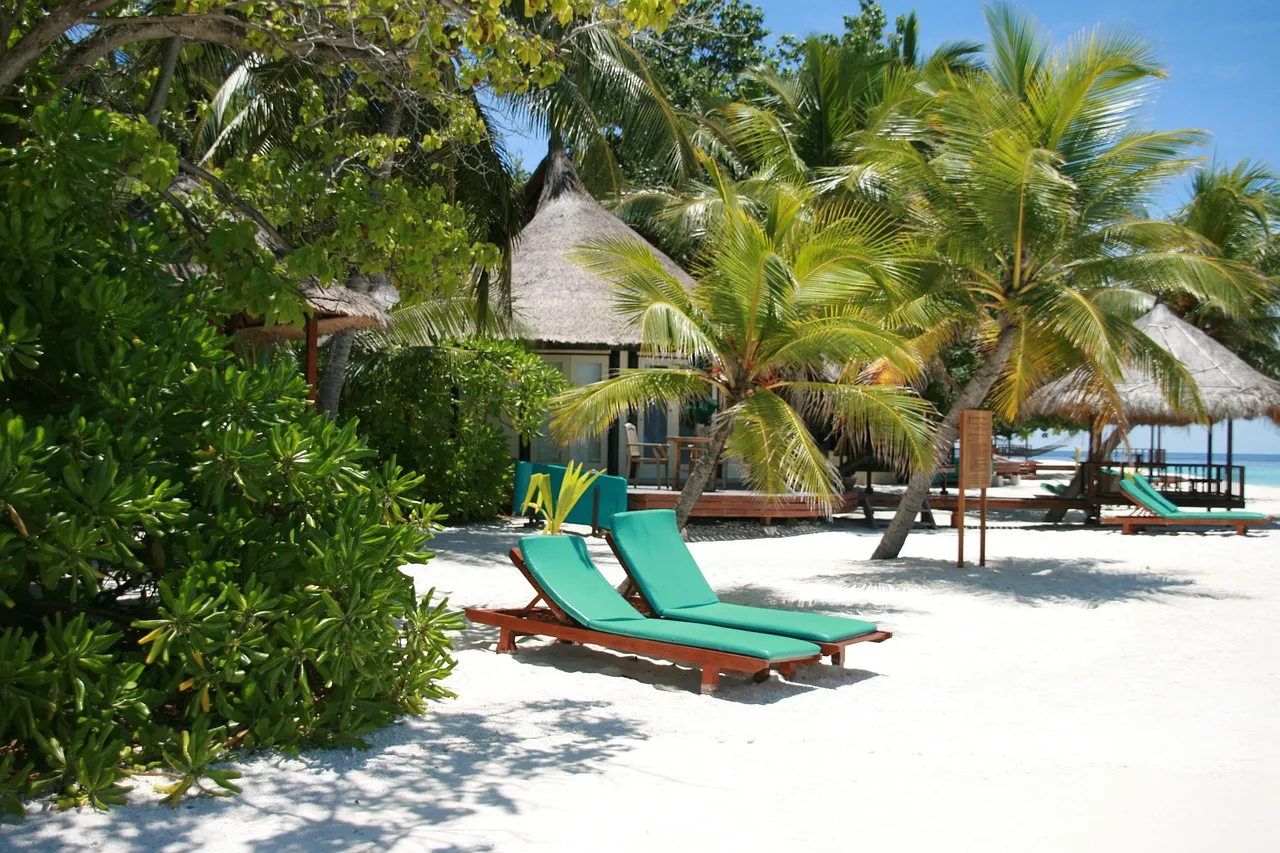
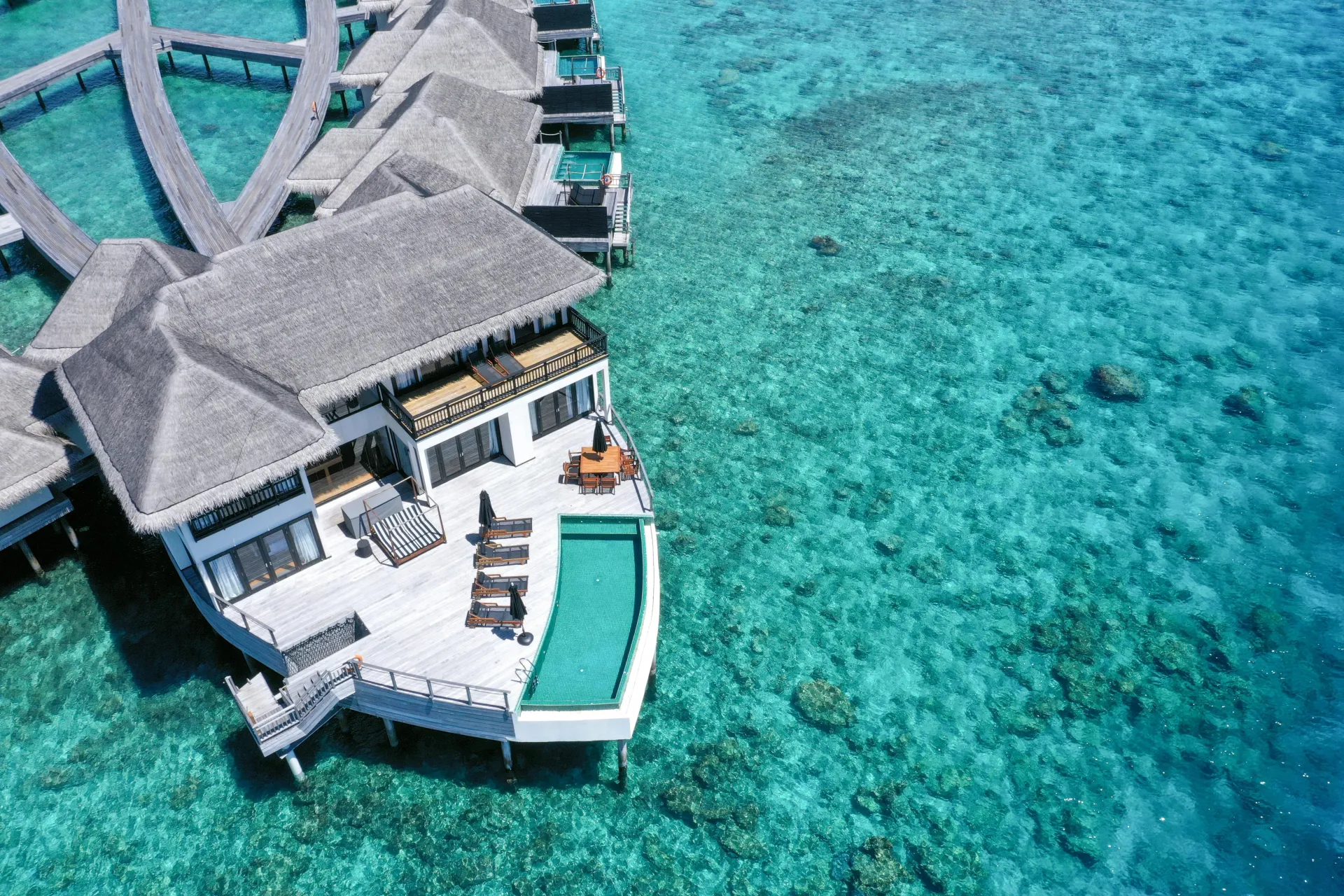
Each resort occupies its own private island — your entire island is your hotel. Beach and overwater villas, multiple restaurants, a spa, a dive centre, and a house reef are standard. Service is impeccable: multilingual teams, butler service at luxury tiers, and thoughtful details from welcome drinks to turndown amenities.
Meal Plans
BB (bed & breakfast), HB (+ dinner), FB (all meals), AI (all-inclusive with drinks). AI simplifies budgeting; HB suits those who like to try different restaurants.
Activities
Snorkelling, scuba diving, kayaking, surf lessons, dolphin cruises, sandbank excursions, sunset sailing, spa treatments, and night fishing.
Connectivity
Wi-Fi is available across all resorts — usually free in villas and restaurants. Remote atolls may have slower speeds. Most islands are walkable; larger resorts use buggies.
How to Choose Your Resort
With 200+ resorts across 26 atolls, choosing the right island is the most important decision of your trip. Narrow down by these factors:
Transfer time
Closer atolls (15–40 min speedboat) suit families and nervous flyers. Remote atolls (seaplane or domestic flight) reward with fewer crowds and better reefs.
Reef quality
Ask: is the house reef a drop-off or a flat? Is it accessible from the beach? Serious snorkellers and divers should prioritise reef proximity.
Sunset side
West-facing beaches catch golden-hour light. East-facing rooms get sunrise. For overwater villas, ask which direction the deck faces.
Family needs
Look for kids' clubs (4–12), babysitting, shallow lagoons, children's menus, shaded beach areas, and a clinic or quick speedboat access to Malé.
Activities & vibe
Surf camps (South Malé, North Malé), dive-focused resorts, spa retreats, and social hubs each attract different guests. Match the energy to yours.
Value vs luxury
A mid-range resort on a pristine reef will often deliver more joy than a luxury resort with a degraded house reef. Read recent guest reviews carefully.
Best Time to Visit
The Maldives has two seasons shaped by the monsoon. Both have genuine appeal — it comes down to your priorities.
Jan
Peak
Feb
Peak
Mar
Great
Apr
Good
May
Showers
Jun
Wet
Jul
Wet
Aug
Wet
Sep
Shoulder
Oct
Shoulder
Nov
Good
Dec
Peak
☀️ Dry Season — November to April
Clear skies, calm seas (0.3–1m swells), and outstanding visibility for snorkelling and diving. Peak season (Dec–Mar) means highest prices and fully booked resorts — book 3–6 months ahead. Manta rays peak in the eastern atolls (Jan–April). Whale sharks are present year-round but sightings are more consistent in the dry season.
🌦️ Wet Season — May to October
More frequent showers (rarely all-day), dramatic skies, and 20–40% lower rates. Ideal for surfers (swells 1–3m at breaks like Pasta Point and Chickens). Manta rays feed at cleaning stations in the western atolls (Jun–Oct). Shoulder months (Sep–Nov) offer an excellent balance of value and weather.
What Does the Maldives Cost?
Total cost = accommodation + transfers + meal plan + taxes + activities. Seaplane transfers add a per-person round-trip supplement (typically $200–$600). A 12% tourism goods & services tax (TGST) and 10% service charge are standard at resorts.
Mid-Range
$300–600
per room per night
- Speedboat transfer
- Garden or beach villa
- BB or HB meal plan
- Shared snorkel trips
- House reef access
Luxury
$600–1,500
per room per night
- Seaplane or charter
- Overwater villa
- HB or FB meal plan
- Spa credit included
- Butler service
Ultra-Luxury
$1,500+
per room per night
- Private seaplane charter
- Pavilion or residence
- AI with premium dining
- Dedicated butler 24/7
- Private sandbank dinner
Currency & Payments
US Dollars accepted everywhere
Resorts operate in USD. Major credit cards (Visa, Mastercard) are accepted island-wide. Carry small USD notes for tips and local island shops.
Rufiyaa (MVR) for local islands
The Maldivian Rufiyaa (MVR) is useful on local islands. ATMs are available in Malé and on inhabited islands. Exchange rate: ~$1 ≈ MVR 15.4.
Tipping culture
Resorts add a 10% service charge automatically. Additional cash tips are warmly appreciated but never expected. $2–5 per day for housekeeping is common among guests.
Experiences & Activities
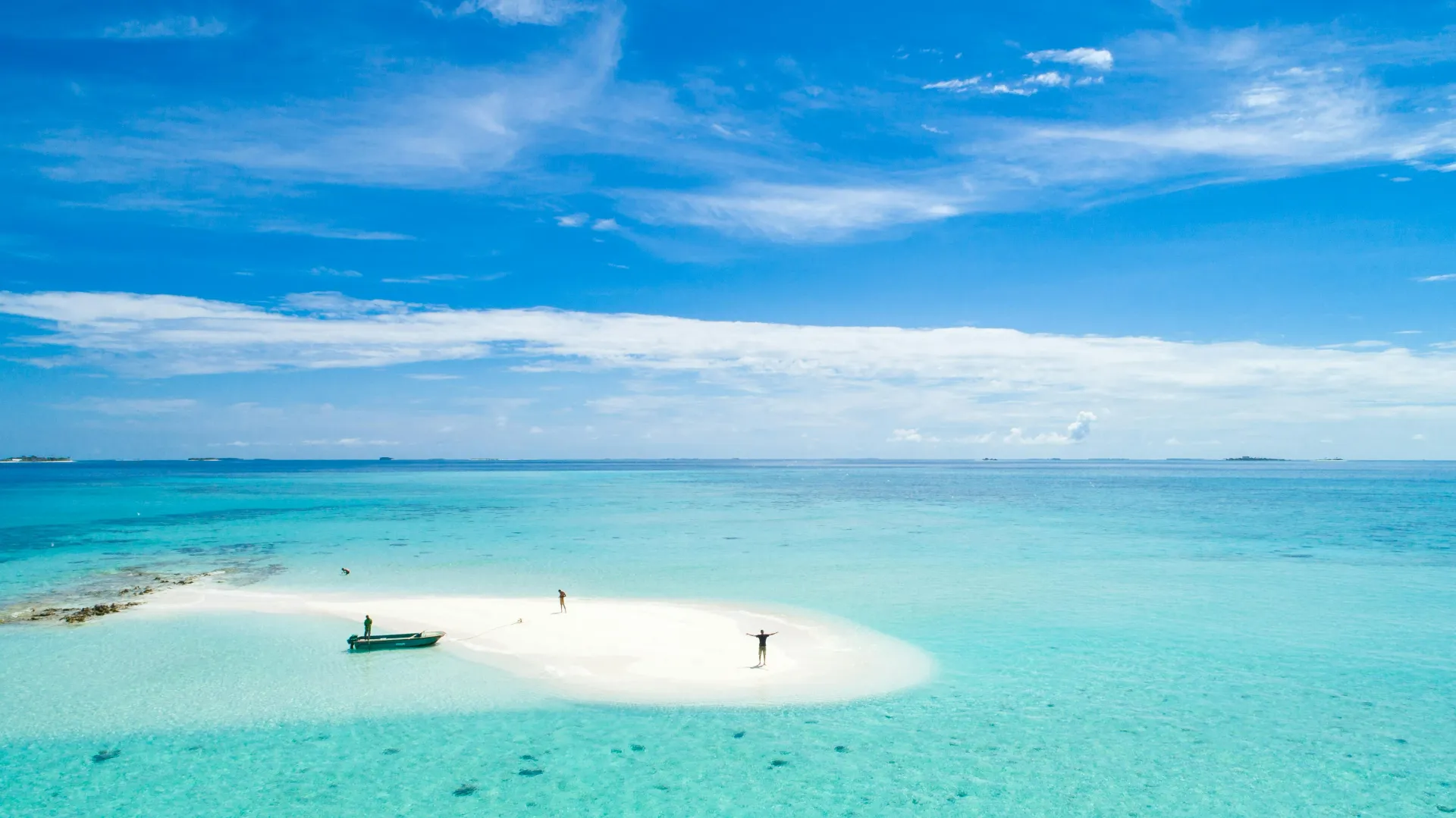
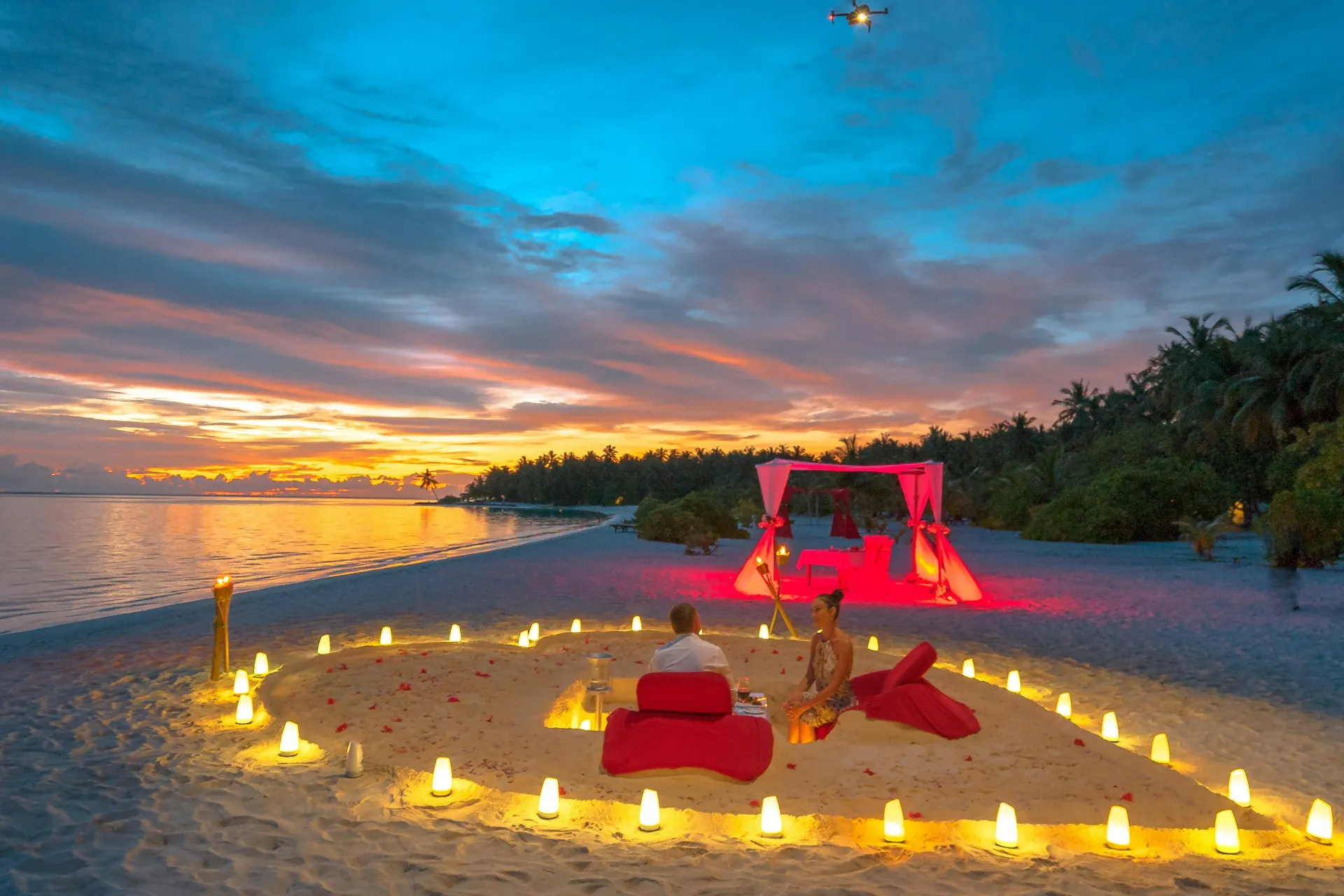
From the world's finest house reefs to private sandbank picnics at sunset — the Maldives delivers experiences found nowhere else on Earth.
Diving & Snorkelling
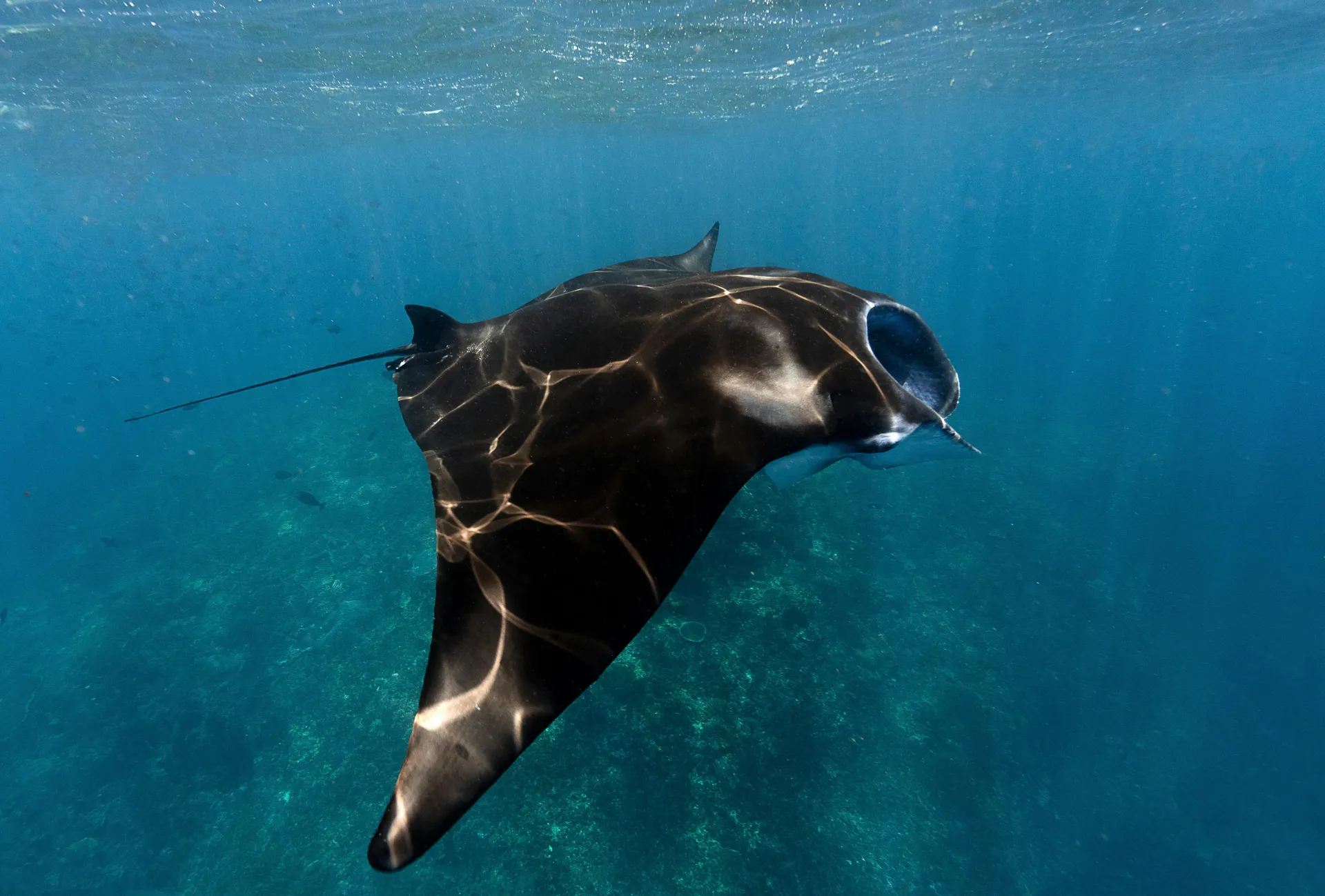
Over 1,000 dive sites. Visibility 20–40m. Whale sharks, hammerheads, eagle rays and vibrant soft corals. PADI courses available at every resort.
Surfing
World-class breaks at North Malé, South Malé, and the far south. Best swells May–September. Beginner lessons to pro charters available.
Water Sports
Kayaking, windsurfing, kitesurfing, wakeboarding, jet skiing, paddleboarding — all available on resort lagoons. Most resorts include non-motorised sports in the rate.
Dolphin Cruises
Evening cruises to spot spinner dolphins are offered by almost every resort. Peak sightings near North Malé and Baa Atolls.
Spa & Wellness
Overwater treatment rooms and beachside pavilions. Signature treatments use local coconut oil, sea salt, and traditional Maldivian ingredients.
Night Fishing
Traditional Maldivian fishing at dusk — cast a line from a dhoni under the stars. Catch-and-release or cook your catch at the restaurant.
Local Islands vs Resort Islands
The Maldives offers two very different holiday styles. Many travellers combine both — a few nights on a local island for culture, then a resort for the classic experience.
Local Islands
Guesthouses and boutique hotels on inhabited islands like Maafushi, Thulusdhoo, and Fulidhoo. Fraction of the cost of resorts. You share the island with the community — dress modestly outside the designated bikini beach. No alcohol in public areas. Great for cultural immersion, day trips to nearby resorts, and authentic Maldivian food.
Resort Islands
A private island exclusively for guests — the classic Maldives. Licensed bars, world-class restaurants, curated activities, and the highest service standards on Earth. Complete privacy, no community rules, and seamless everything from arrival to departure. For honeymoons, celebrations, and ultimate relaxation.
Rules & Etiquette
The Maldives is a Muslim nation with a relaxed attitude towards tourism — but some rules apply, particularly on local islands.
Dress code on local islands
Cover shoulders and knees when walking through local communities or in Malé. Swimwear is only permitted at designated bikini beaches. On resort islands, dress freely.
Alcohol restrictions
Alcohol is only available on licensed resort islands and on the Hulhulé Island Hotel near the airport. Bringing alcohol into the country is prohibited by law.
Photography etiquette
Always ask permission before photographing local residents, especially women. Mosques require prior permission. Drone use requires a permit and is banned near airports.
Ramadan awareness
During Ramadan, eating, drinking, and smoking in public during daylight hours is respectful to abstain from. Some local services may have reduced hours.
Marine wildlife
Never touch, ride, or chase marine animals. Feeding fish damages reef ecosystems. Only reef-safe sunscreen is permitted near coral areas at many resorts.
Resort courtesy
Noise between 10pm and 7am disturbs villa neighbours. Topless sunbathing may be restricted to villa decks only — check your resort policy.
What Not to Bring
Maldives Customs enforces strict import restrictions. The following are commonly prohibited or require declaration:
Alcohol
Importing alcohol for personal use is strictly prohibited. Penalties are serious. Alcohol is provided on resort islands through licensed venues.
Pork products
Pork and pork-derived products are not permitted. Many resorts serve pork in designated areas for guests, imported through official channels.
Narcotics
Possession of illegal drugs carries severe penalties including lengthy imprisonment. Zero tolerance policy.
Religious material
Items intended for the propagation of religions other than Islam may be confiscated at customs. Personal Bibles and religious items for own use are permitted.
This is general guidance only and not legal advice. Always verify current regulations with the Maldives Customs Service and your airline before travelling.
Health & Safety
Sun & Heat
UV index regularly reaches 11+ (extreme). Apply SPF 50+ sunscreen every 90 minutes, wear a hat, and stay in shade between 11am–3pm. Heat exhaustion is common in new arrivals — stay hydrated.
Ocean currents
Maldivian channels can have powerful currents. Always snorkel and dive with your resort team or a guide. Follow resort flags — red means stay out of the water.
Medical facilities
All resorts have a clinic or on-call doctor. ADK Hospital in Malé handles complex cases. AMDC Clinic at the airport is open 24/7. Travel insurance with medical evacuation cover is essential.
Medications
Carry prescriptions in original packaging. Basic medications are available on resort islands but specialist drugs may require import. Pack more than you need.
Insects
Mosquitoes are present, especially after rain. Pack repellent. Malaria risk is very low but precautions are sensible for outer atolls. Sandfly repellent is recommended at sunset.
Travel insurance
Non-negotiable for the Maldives. Your policy must cover: medical evacuation, trip cancellation for weather events, and diving accidents (if applicable). DAN insurance for divers is recommended.
What to Pack
Keep luggage light — resorts provide towels, beach bags, and basic toiletries. Check airline luggage limits, especially if using a seaplane (strict 20 kg limit on some operators).
Language & Connectivity
The national language is Dhivehi, a unique Indo-Aryan language written in the Thaana script, which reads from right to left. It has been spoken in the Maldives for over a thousand years and remains an important part of Maldivian identity and culture. English is widely spoken at all resorts, hotels, and tourist areas, so visitors will have no difficulty communicating throughout the islands.
SIM Cards
Tourist SIM cards are available exclusively at the Dhiraagu and Ooredoo outlets inside Velana International Airport. Both operators offer the same two packages: 20 GB for $40 (valid 10 days) or 100 GB for $50 (valid 30 days). Pick one up on arrival before heading to your resort.
Resort Wi-Fi
All resorts offer Wi-Fi — quality varies by remoteness. Luxury resorts have high-speed fibre via submarine cables. Outer atoll resorts use satellite internet which can be slower. For extended stays, a local SIM with data is recommended.
Frequently Asked Questions
Do I need a visa to visit the Maldives?
Most nationalities receive a 30-day visa on arrival, free of charge. You need a valid passport (6+ months), confirmed accommodation, a return ticket, and proof of sufficient funds. Extensions are available.
Is the Maldives expensive?
Resort islands are among the world's most expensive destinations ($300–$1,500+ per night). However, local island guesthouses offer excellent value ($50–$150 per night) with access to the same reefs and beaches.
What is the best month to visit?
December to April offers the clearest skies and calmest seas — ideal for first-time visitors. May to October has more rainfall but lower prices and excellent surfing. September to November is the sweet spot for value and weather.
Can I drink alcohol in the Maldives?
Yes — on licensed resort islands. Alcohol is freely available at resort restaurants, bars, and in-villa minibars. It is strictly prohibited on local inhabited islands and cannot be imported into the country.
How far in advance should I book?
For peak season (December–March), book 3–6 months ahead. Popular resorts can sell out a year in advance. Shoulder and wet season months can be booked 4–8 weeks in advance.
Is the Maldives safe for families with young children?
Very. Resorts are purpose-built for family safety with shallow lagoons, children's clubs, babysitting services, and excellent medical access. The calm lagoon waters make it ideal for young swimmers.
What power sockets are used in the Maldives?
Type D (3-pin round), Type G (3-pin square UK), and Type K are most common, at 230V/50Hz. Most resorts have universal sockets in villas. Bring a universal travel adapter.
Can we do a day trip to a local island from our resort?
Most resorts offer organised day trips to nearby local islands. You can also arrange independent trips via speedboat. Wear modest clothing and respect local customs when visiting inhabited islands.
Are there sharks in the Maldives? Is it dangerous?
Reef sharks (blacktip and whitetip) are common and completely harmless to snorkellers and swimmers. Whale sharks are gentle filter-feeders and a highlight of any trip. Follow your resort's briefings for all water activities.
What is a 'house reef' and why does it matter?
A house reef is the coral reef directly accessible from your resort island — no boat needed. Quality varies dramatically. Resorts with a strong house reef offer on-demand snorkelling and diving just steps from your villa.
Last updated 2025. Rules and conditions change — always verify with official sources before travelling.
Ready to Plan Your Maldives Trip?
Our Maldivian specialists will match you with the right resort, handle your transfers, and build a perfect itinerary — free, with no obligation.